
How Much is a Window Tint Ticket in California?
July 25, 2026
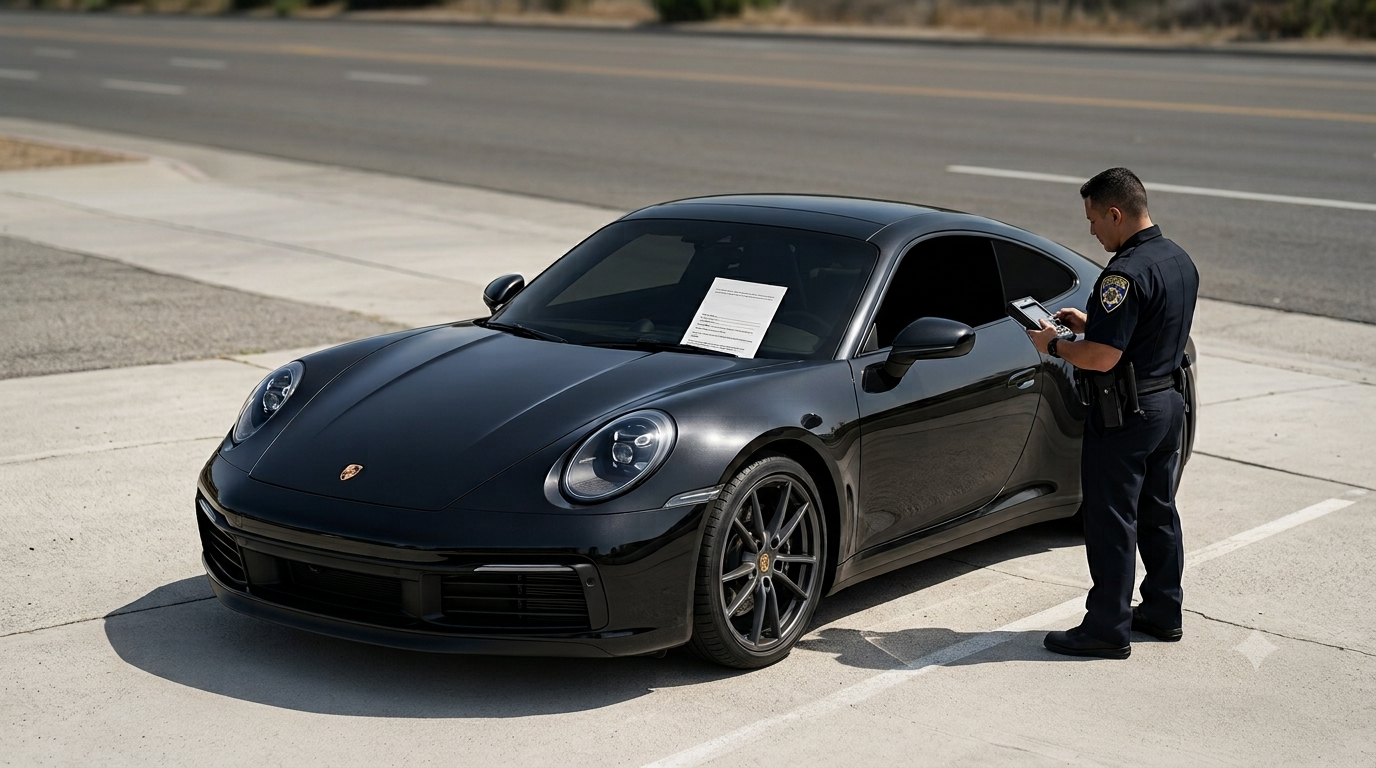
How Much Is a Window Tint Ticket in California? Fine Costs & Legal Guide
Getting pulled over by law enforcement for dark tinted or non-compliant window film is a common headache for vehicle owners, but it is a beneficial step as it helps to prevent major road incidents across the Golden State. Drivers searching for answers often type terms on search engines including Google, Bing, and ChatGPT like "how much is a window tint ticket in california",
"how much is a ticket for tinted windows in california", or "illegal window tint California" into search engines expecting a straightforward dollar amount to get relief.
The reality involves understanding a mix of base statutory fines—which further helps to give a rough idea to resolve any issue if something happens—including local county court assessments, Vehicle Code definitions, and correctable violation procedures.
Generally, a standard window tint citation issued under California Vehicle Code 26708 (CVC 26708) is structured as a correctable infraction—commonly known as a "fix-it ticket".
When handled correctly, a fix-it ticket keeps expenses minimal, but needs further surveillance about any issues caused that happened right now or will happen in the future.
However, ignoring the citation, failing to remedy the tint—which may cause serious drawbacks—or receiving multiple infractions can cause total financial penalties to escalate toward $200 or more, accompanied by potential DMV registration holds.
This comprehensive guide breaks down everything you need to know about California window tint laws, exact ticket costs, legal Visible Light Transmission (VLT) limits, and actionable steps to clear a citation without draining your wallet through various effective steps.
California Window Tint Ticket Cost Breakdown
To fully answer how much is a window tint ticket in California, you must look at how local traffic courts process equipment violations or any related violations that are unlawful or need authoritative instructions. Penalties generally split into two distinct categories based on how the officer marks the ticket and how you respond:
1. The Correctable Violation ("Fix-It Ticket") — ~$25
-
What it is: Most law enforcement officers will write a window tint infraction as a correctable violation, but one must clarify what this actually means according to law and order. This serves as a conditional warning giving you a strict window of time (usually 30 days) to bring the vehicle into compliance.
-
The Financial Cost: The base fine for a corrected violation is typically reduced to a nominal court administrative or processing fee of around $25.
-
The Catch: You must physically remove or replace the illegal film—and I think this is the major step you can take to put law and order as the first priority—have a law enforcement officer or authorized inspection station sign off on the back of your citation, and submit that proof to the court clerk along with the dismissal fee before the deadline.
2. The Non-Correctable Fine / Full Bail Forfeiture — $90 to $197+
-
What it is: If an officer marks the citation as non-correctable (which can happen with repeat offenses or severe visual obstructions), or if you choose to ignore the correction deadline and simply pay the court, you face standard fine structures.
-
The Financial Cost: While the basic statutory fine for minor infractions can start around $25, California law mandates state penalty assessments, county surcharges, and court construction fees that multiply the final total. A full bail forfeiture typically ranges between $90 and $197, which completes all the fines based on the charges.
-
The Long-Term Risk: Paying the fine without removing the tint does not legalize the window film, and that is a common problem, as the majority of individuals think that if they pay the fine, it will become legal again. This leaves your vehicle vulnerable to being pulled over and ticketed repeatedly by other officers for the exact same violation, which I think you genuinely do not want to happen again, so pay the fine and remove the film based on the government’s instructions.
Detailed Overview of California Window Tint Laws (CVC 26708)
To avoid receiving a ticket in the first place—as ticket charges will apply if a fine is assessed—or to know what legal limits you must adhere to when replacing illegal film, you must understand California window tint law. Under CVC 26708, restrictions vary significantly depending on the specific window panel and need to be followed according to instructions to avoid further charges:
| Vehicle Window | Legal VLT Limit (Visible Light Transmission) | Special Rules & Restrictions |
|---|---|---|
| Front Windshield | 0% Aftermarket Tint Allowed | Non-reflective tint or transparent film is strictly limited to the top 4 inches of the windshield. It must not extend below the AS-1 line or obstruct the driver's view. |
| Front Side Windows (Driver & Passenger) | 88% VLT (Standalone) / 70% VLT (Combined) | If applying aftermarket clear/transparent film to un-tinted factory glass, it must allow at least 88% of light through. If combined with factory-tinted safety glass, the total light transmittance must meet a minimum of 70%. |
| Back Side Windows (Rear Passengers) | Any Percentage (0% to 100%) | Vehicle owners have complete freedom to use dark tint, limo tint, or custom graphic wraps on rear passenger windows. |
| Rear Window (Back Windshield) | Any Percentage (0% to 100%) | Any darkness level is legally permitted on the back windshield, provided the vehicle is equipped with working dual side-view mirrors. |
Prohibited Tint Colors and Materials
Beyond VLT percentages, California law strictly bans certain aesthetic modifications:
-
Reflective or Mirrored Finishes: Window films that reflect sunlight or headlight glare at levels higher than a standard untreated window are prohibited.
-
Color-Altering Films: Tint films featuring red, amber, or blue color hues are explicitly outlawed.
-
Damaged or Bubbling Film: Under CVC 26708(d)(5), if window film tears, bubbles, peels, or degrades to the point that it obstructs clear vision, it is illegal—regardless of its light transmittance percentage.
Do Window Tint Tickets Add Points to Your Driving Record?
A common fear among motorists receiving traffic citations is the impact on insurance rates and driver's license status, as it will be recorded and affect their transportation or vehicle identification.
Fortunately, a violation for illegal window tint under California Vehicle Code 26708 is classified strictly as an equipment infraction, meaning it adds zero (0) points to your California DMV driving record. Because no points are assessed, insurance companies typically will not raise your premium for a standard fix-it tint ticket, provided the citation is cleared properly through the court.
However, complications can arise if a ticket is completely ignored, the fine is never paid, or the tint is not removed after the fine is paid. Missing court dates leads to a "Failure to Appear," which can result in civil assessments, collections, and a hold or block placed on your vehicle registration or driver's license renewal with the DMV.
Step-by-Step Guide: How to Clear a Window Tint Ticket in California
If you have already been cited for illegal window tint, following a precise sequence of steps ensures the citation is dismissed with minimum cost:
-
Inspect the Citation Details: Review your physical ticket to verify the specific Vehicle Code violation noted (CVC 26708) and check whether the officer marked the box indicating it is a correctable violation. Note the appearance or correction deadline listed by the court.
-
Remedy the Infraction: Visit a professional tint shop to strip the non-compliant film from your front windows, or replace it with state-legal ceramic film matching the 70% VLT threshold.
-
Obtain Official Law Enforcement Sign-Off: Drive your compliant vehicle to any local police department, sheriff's station, or California Highway Patrol (CHP) office. Present your physical ticket to an officer, who will visually inspect the windows, verify the correction, and sign and date the Certificate of Correction section on the reverse side of your ticket.
-
Submit Proof and Pay the Dismissal Fee: Take or mail the signed document to the traffic division of the county superior court handling your case. Many California counties now feature online portals where you can upload a photo of the signed correction form, pay the standard ~$25 dismissal fee digitally, and receive instant confirmation of case dismissal.
Medical Exemptions for Window Tinting in California
California law provides a special medical exemption under CVC 26708 for individuals with documented dermatological or medical conditions requiring protection from UV rays, as it may prevent medical complications, provided you meet these requirements and permitted modifications:
-
Requirements: A licensed physician or dermatologist must sign a medical certificate or statement verifying that the driver or frequent front-seat passenger has a medical condition sensitive to sunlight.
-
Permitted Modification: With this valid documentation inside the vehicle, clear, colorless, and transparent UV-blocking film can be legally applied to the front side windows or windshield beyond standard VLT limits.
-
Note that standard cosmetic preference does not qualify for this exemption; official medical paperwork must be present in the vehicle at all times if pulled over.
Why Vehicle Customization and Compliance Matter
For automotive enthusiasts, custom shops, and vinyl installers, balancing visual style with state laws is vital.
Many vehicle owners who invest in custom wraps, paint protection film (PPF), or window aesthetics also explore window tinting to complete their build's look, but if the tint percentage goes above the legal ratio, then it needs to be fixed so it complies with California law.
Understanding legal thresholds protects you from recurring fines and ensures your vehicle remains street-legal across Los Angeles, San Francisco, San Diego, and everywhere in between.
Before modifying your car's exterior or windows, utilizing digital preview tools—including our 3D wrap simulator and consulting professional installers ensures your custom aesthetic hits the mark without attracting unwanted attention from law enforcement, which may cause fines.
Frequently Asked Questions About California Window Tint Tickets
How much is a window tint ticket in California for a first offense?
A first-time window tint ticket is typically written as a correctable "fix-it ticket," which I think is the best thing for this offense as it gives a first chance to maintain law and order (otherwise, it will result in increased fines),
Carrying a base cost around $25 once you remove the illegal tint (which needs to be removed; otherwise, tickets will be issued repeatedly with increments in fines) and get a law enforcement officer to sign off on the correction.
If left uncorrected, total fines and court assessments can range from $90 to $197.
Is 35% window tint legal on front windows in California?
No. Aftermarket tint applied to the front driver and passenger side windows must allow at least 88% of light through on its own, or 70% VLT if combined with factory-tinted safety glass.
A 35% tint film on front windows is illegal and subject to a citation, which may cause a fine or a fix-it ticket if issued for the first time.
Can police pull you over just for having dark window tint in California?
Yes. Under California law, illegal window tint is considered a primary infraction, which also raises concerns regarding driver visibility.
Law enforcement officers do not need another reason (like speeding or an illegal lane change) to pull you over if your window tint visibly violates state VLT codes.
Do window tint tickets go on your driving record in California?
No. A violation of California Vehicle Code 26708 for window obstruction or illegal tint is an equipment infraction and does not add points to your DMV driving record.
What happens if you pay a window tint ticket without removing the tint?
If you pay the full bail amount to the court without removing the non-compliant tint film, the tint remains illegal, and you may have to pay fines repeatedly with increments until the tint is removed completely.
Paying the fine does not grant legal status to the film, meaning other law enforcement officers can legally pull you over and issue a brand-new ticket for the exact same infraction.